Top Benefits of Using a Pipe Swaging Machine for Your Projects
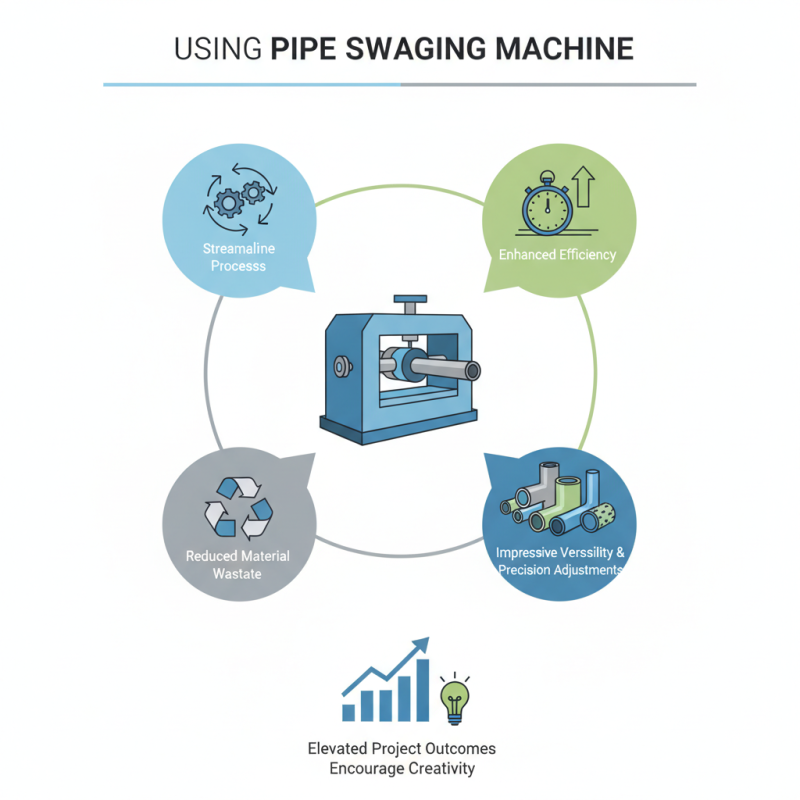
In the world of pipe fabrication, the "Pipe Swaging Machine" has emerged as an essential tool. Expert John Smith, a leading authority in metalworking, states, "This machine transforms how we shape and join pipes." This powerful device streamlines processes, enhances efficiency, and reduces material wastage.
With its ability to reshape pipes without cutting, the Pipe Swaging Machine offers impressive versatility. It allows for precision adjustments, catering to varying project specifications. Many professionals appreciate how it can handle different materials and sizes, accommodating various industry needs. Despite its advantages, some users have struggled with maintenance routines. Regular checks can prevent performance issues over time, ensuring longevity.
Ultimately, investing in a Pipe Swaging Machine can elevate your project outcomes. It not only simplifies complex tasks but also encourages creativity in pipe designs. As the industry continues to evolve, the importance of such machines remains clear, driving innovation and productivity.
Understanding Pipe Swaging: Definition and Applications
Pipe swaging is a method used to shape and resize pipes. This technique alters the diameter of a pipe without changing its wall thickness. It’s especially useful for creating custom fittings and connectors. Swaging can be performed on various materials, including metal and plastic. This flexibility makes it a popular choice in many industries.
Applications of pipe swaging span several sectors. In construction, it allows for precise fittings in plumbing and HVAC systems. The automotive industry benefits from swaged pipes in exhaust systems. Manufacturing often uses pipe swaging to create tubing for diverse products. Each application demonstrates the versatility and efficiency of this technique.
Despite its advantages, swaging isn't without challenges. The initial setup can be complex, requiring skilled operators. Proper alignment during the process is crucial to avoid defects. Additionally, the choice of material plays a significant role in the final outcome. These factors highlight the importance of careful planning and execution in pipe swaging projects.
Top Benefits of Using a Pipe Swaging Machine for Your Projects
| Benefit |
Description |
Applications |
| Increased Efficiency |
Pipe swaging machines streamline the process of shaping pipes, allowing for faster production times. |
Manufacturing, Construction |
| Cost Savings |
Automating the swaging process reduces labor costs and material waste. |
Metalworking, HVAC |
| Versatility |
These machines can work with various pipe materials and sizes, making them suitable for different projects. |
Plumbing, Structural Engineering |
| Precision |
Pipe swaging machines provide accurate measurements and cuts, reducing the need for adjustments later. |
Automotive, Aerospace |
| Reduced Clean-up Time |
The precision of the swaging process minimizes extra trimming and adjustments, leading to less debris. |
General Manufacturing |
Key Features of Pipe Swaging Machines in Modern Manufacturing
Pipe swaging machines play a significant role in modern manufacturing. These machines are designed to shape and reduce the diameter of pipes efficiently. They excel in various industries, from construction to automotive, ensuring precise fitting and durability.
A key feature of pipe swaging machines is their adaptability. They can work with different materials, including metal and plastic. This versatility allows manufacturers to meet diverse project requirements without compromising quality. The machines provide consistent results, which is essential in batch production. However, even slight variations in settings can affect the final product. Regular maintenance is crucial to avoid such issues.
Another important aspect is the machine’s control system. Modern swaging machines often come with digital controls. This technology increases accuracy and makes adjustments easier. Operators can quickly learn to use these systems, yet there is always a learning curve. Training staff is vital for maximizing efficiency. While the machines simplify many processes, human oversight remains essential to achieving the best performance.
Advantages of Pipe Swaging Over Traditional Pipe Fitting Methods
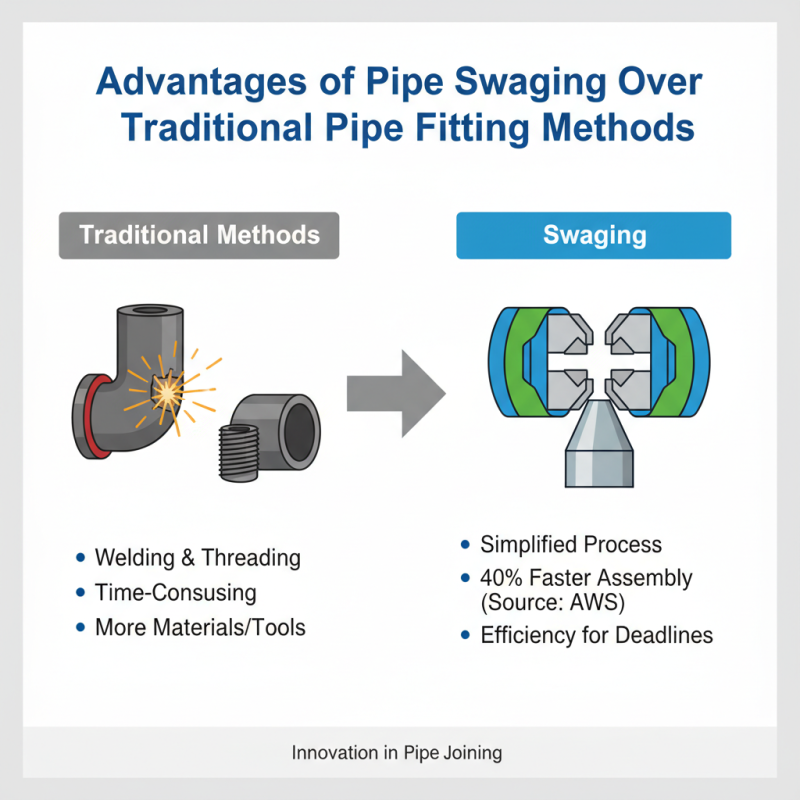
When it comes to pipe fitting methods, swaging machines offer significant advantages over traditional approaches. Traditional methods often involve welding or threading. These techniques can be time-consuming and may require additional materials and tools. Swaging simplifies the process. According to a report from the American Welding Society, using swaging can reduce assembly time by up to 40%. This efficiency is essential for projects with tight deadlines.
Another benefit is the strength of the connections. Swaged joints have a homogeneous structure. This results in increased durability. A study by the International Journal of Industrial Engineering reveals that swaged pipes exhibit a tensile strength increase of 20% compared to welded joints. This robustness is crucial for applications that involve high pressure or extreme conditions. However, achieving optimal swaging results requires skilled operation and proper machine calibration.
Moreover, swaging reduces the risk of leaks. Traditional pipe fittings can create weak points that are prone to failure. In contrast, swaged pipes provide a seamless configuration. This seamlessness minimizes potential leak sources. According to the Pipeline and Hazardous Materials Safety Administration, leaks account for significant financial losses. Focusing on swaging can help mitigate those risks, though it's important to consistently review process effectiveness to ensure reliability.
Cost Efficiency and Time Savings with Pipe Swaging Technology
Pipe swaging technology represents a significant advancement in manufacturing efficiency. According to a report by the Manufacturing Institute, using swaging machines can reduce production costs by up to 30%. This cost efficiency stems from the ability to reshape pipes without excess material waste. Traditional methods often result in scrap rates as high as 15%. Swaging minimizes this loss, making the process not only more economical but also more sustainable.
Time savings also play a crucial role in the adoption of pipe swaging machines. Studies show that swaging can complete tasks up to 40% faster than conventional techniques. This time reduction allows manufacturers to respond quickly to market demands. Workflows become streamlined, leading to increased output without sacrificing quality. However, some operators may find the initial learning curve challenging. Adjusting to new technology requires training, which can temporarily slow productivity. These transitional hurdles highlight the importance of investing in skilled personnel.
Real-world applications demonstrate the versatility of swaging technology. Industries such as automotive and aerospace have benefited from its capability to produce complex shapes efficiently. These sectors often require precise tolerances and durability. As project timelines tighten, the necessity for such innovations becomes evident. On the downside, the upfront investment in quality machinery can be substantial, leading some small businesses to hesitate. Evaluating the long-term benefits versus initial costs is essential for informed decision-making.
Top Benefits of Using a Pipe Swaging Machine for Your Projects
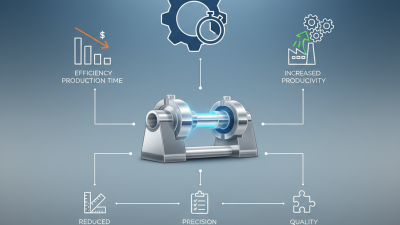
This chart illustrates the primary benefits of utilizing a pipe swaging machine, focusing on cost efficiency and time savings compared to traditional methods.
Impact of Pipe Swaging on Project Quality and Structural Integrity
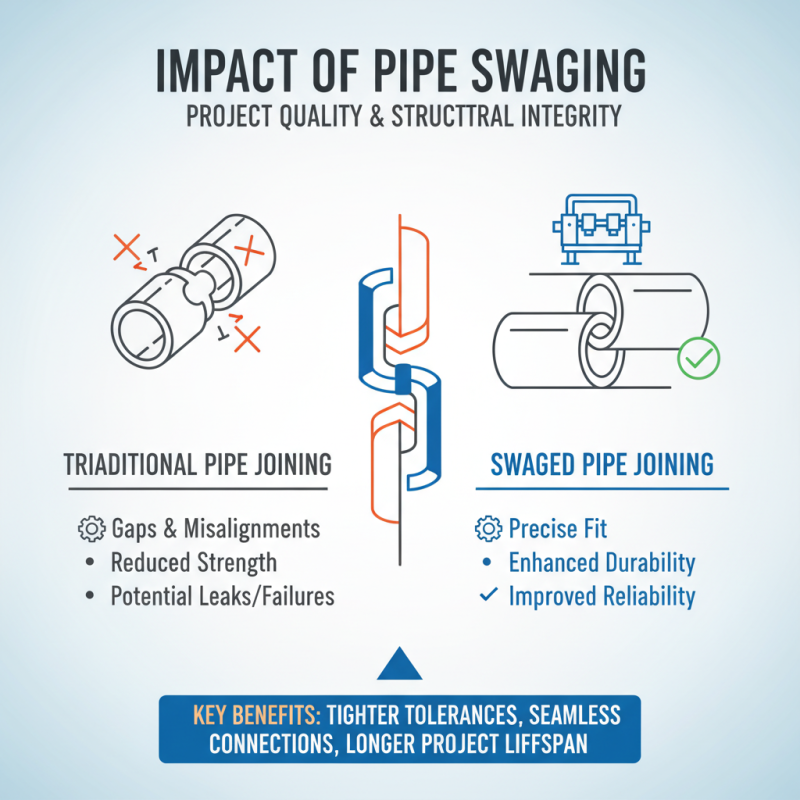
Pipe swaging significantly influences the quality and structural integrity of projects. This process involves reducing the diameter of a pipe, allowing for seamless joining and precise fitting. By using a pipe swaging machine, engineers can achieve tighter tolerances. This precision helps to ensure that the final assembly meets necessary design specifications. A well-executed swaging process can eliminate gaps between connections that might otherwise lead to vulnerabilities.
The impact of pipe swaging is also evident in the overall strength of the structure. When pipes fit snugly together, they create a unified system that distributes stress evenly. This reduces the chances of structural failure. However, improper swaging can create inconsistencies, leading to potential weaknesses. Each project brings unique challenges, emphasizing the need for skilled operators. Even with advanced machines, human oversight remains critical. Continuous training can help mitigate errors and boost project outcomes. Investing in training ensures that the benefits of swaging machines are fully realized. This combination of technology and skill is essential for maintaining high standards in structural integrity.