What is Oilfield Downhole Tools and Why They are Essential for Drilling Operations
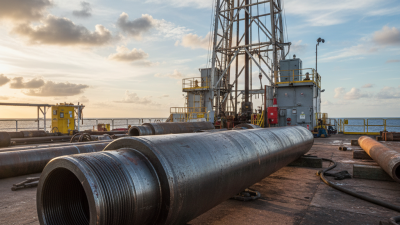
Oilfield Downhole Tools are vital components in the complex process of oil and gas extraction. These specialized tools operate deep beneath the Earth's surface, performing a variety of critical functions that ensure the efficacy and safety of drilling operations. From drilling to completion, Oilfield Downhole Tools facilitate the exploration and recovery of hydrocarbons, enabling access to resources that are otherwise difficult to reach.
The importance of these tools cannot be overstated, as they are designed to endure the extreme conditions found in downhole environments, including high pressures and temperatures. By employing cutting-edge technology, Oilfield Downhole Tools maximize operational efficiency, reduce downtime, and enhance overall production rates. Understanding their roles and types, such as drilling bits, casing tools, and completion equipment, provides insight into how they contribute to the successful execution of drilling projects in the oil and gas industry.
As drilling operations become increasingly sophisticated, the demand for advanced Oilfield Downhole Tools continues to grow, driving innovation and development within the sector. This evolution underscores their essential role in meeting the world's energy needs and advancing exploration efforts in challenging terrains.

What Are Oilfield Downhole Tools? A Comprehensive Overview
Oilfield downhole tools are specialized equipment used in drilling operations to perform a variety of tasks below the earth's surface. These tools are critical for enhancing the efficiency and effectiveness of drilling activities. Typically designed to withstand extreme conditions, downhole tools include a range of devices such as drill bits, casing and completion tools, and sensors that monitor well conditions. Each type serves a unique purpose, from breaking rock formations to measuring pressure and temperature, thereby providing essential data that guides drilling strategies.
Furthermore, the selection and utilization of downhole tools can significantly impact the success of drilling projects. By employing advanced downhole technology, operators can optimize the drilling process, reduce downtime, and minimize operational costs. For instance, some tools facilitate real-time monitoring, allowing engineers to make informed decisions and adapt to changing conditions underground. This comprehensive overview of oilfield downhole tools underscores their importance as indispensable assets in the modern drilling landscape, enabling operators to maximize resource extraction while maintaining safety and efficiency.
Oilfield Downhole Tools Utilization in Drilling Operations
Key Components of Downhole Tools and Their Functions in Drilling
Downhole tools are critical components in drilling operations, designed to perform various functions essential for optimizing drilling efficiency and ensuring the safety of operations. These tools include drill bits, stabilizers, reamers, and logging tools, each serving a specific role. The drill bit, for instance, is responsible for penetrating the earth’s surface, while stabilizers help maintain the wellbore's straightness, preventing deviations that could lead to costly issues. Reamers are employed to enlarge the drilled hole, ensuring that the well is adequately sized for subsequent equipment installation.
Understanding the functions of these tools can significantly enhance a drilling operation's success. For example, utilizing high-quality drill bits tailored for specific geological conditions can lead to reduced wear and tear, ultimately lowering costs. Logging tools provide vital data during drilling, helping operators make informed decisions based on real-time information about the surrounding formations.
Tips: Always conduct thorough research on well conditions before selecting downhole tools. Collaboration with experienced engineers can help identify the best tools for the job, maximizing efficiency and minimizing downtime. Regular maintenance of downhole equipment can prevent failures and ensure longevity, crucial for maintaining smooth operations in the field.
What is Oilfield Downhole Tools and Why They are Essential for Drilling Operations - Key Components of Downhole Tools and Their Functions in Drilling
| Component |
Function |
Material |
Typical Size |
| Drill Bit |
Cutting through rock formations |
Carbide |
8-12 inches |
| Stabilizer |
Maintaining wellbore stability |
Steel |
6-12 inches |
| Mud Motor |
Drilling in directional wells |
Aluminum |
6-10 inches |
| Packer |
Sealing off sections of the well |
Rubber and Steel |
4-10 inches |
| BHA (Bottom Hole Assembly) |
Control drilling dynamics |
Various alloys |
Variable, typically 30+ feet |
Impact of Downhole Tools on Drilling Efficiency and Cost Reduction
Downhole tools play a pivotal role in the efficiency of drilling operations, significantly influencing both performance and cost-effectiveness. According to a report from the International Association of Drilling Contractors (IADC), the correct selection and utilization of downhole tools can improve drilling efficiency by up to 30%. This improvement is primarily achieved through enhanced rate of penetration (ROP) and reduced time in rig operation, leading to a lower overall cost per foot drilled. Tools such as drill bits, stabilizers, and reamers are integral to optimizing the drilling process, allowing operators to tackle complex geological formations with precision.
Furthermore, advanced downhole tools equipped with real-time monitoring capabilities enable quicker decision-making during drilling operations. A study by the Society of Petroleum Engineers (SPE) indicates that the integration of smart downhole technology can decrease non-productive time (NPT) by approximately 20%. This reduction in downtime becomes crucial, particularly in high-stakes projects, as every hour saved translates directly into cost savings. As drilling operations continue to evolve, the importance of innovative downhole tools becomes more apparent, highlighting their essential role in improving operational efficiency and achieving greater cost reductions across the industry.
Emerging Technologies in Downhole Tools: Trends and Innovations
Emerging technologies in downhole tools are revolutionizing drilling operations, making them more efficient and effective than ever before. One significant trend is the integration of smart sensors into downhole equipment. These sensors provide real-time data on temperature, pressure, and vibrations, enabling operators to monitor drilling conditions and make informed decisions on-the-fly. With the ability to analyze this data, companies can anticipate potential failures and adjust their strategies accordingly, significantly reducing downtime and improving safety.
Another innovation is the use of advanced materials and design techniques to create lighter and more durable tools. For instance, composite materials are increasingly being employed to enhance the strength-to-weight ratio of downhole tools. This not only allows for deeper and more complex drilling but also reduces the load on drilling rigs, thus improving overall performance. In addition, the development of automated and remotely operated downhole tools is enhancing operational efficiency, allowing for greater precision in drilling tasks while minimizing the need for human intervention in hazardous environments. These technological advancements are paving the way for a new era in oilfield operations, ultimately leading to more sustainable and productive drilling practices.
Safety Standards and Best Practices for Using Downhole Tools in Operations
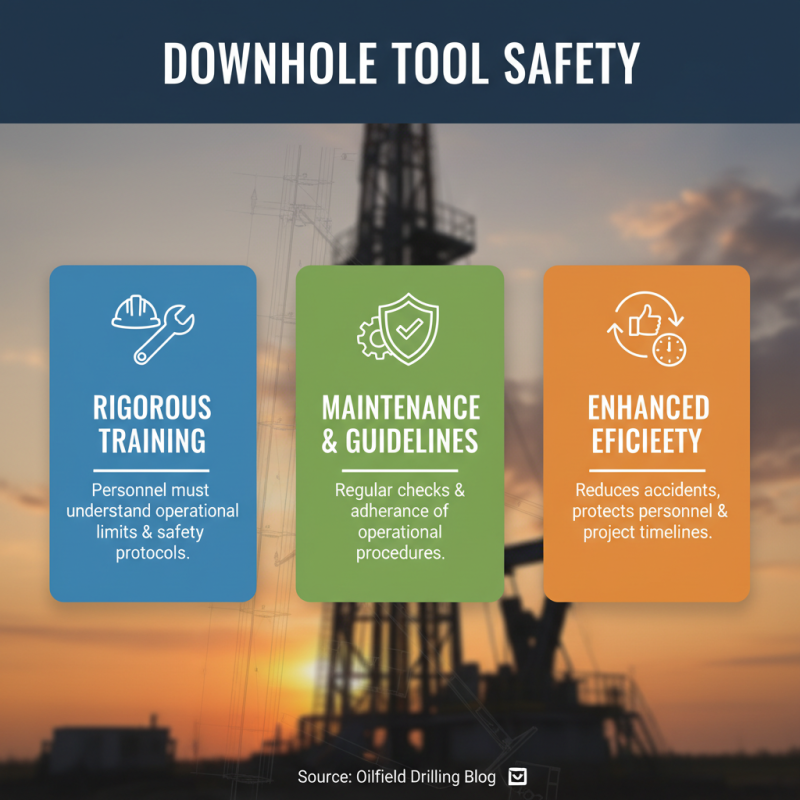
In the world of oilfield drilling, downhole tools play a crucial role in enhancing operational efficiency and safety. However, the use of these tools demands strict adherence to safety standards and best practices to mitigate potential risks associated with their deployment. Rigorous training for personnel who handle downhole equipment is essential, ensuring they understand the operational limitations and safety protocols related to tool usage. Regular maintenance checks and adherence to operational guidelines not only ensure the tools function correctly but also reduce the likelihood of accidents that could jeopardize both personnel safety and project timelines.
Moreover, establishing a culture of safety within the drilling team is vital. This can involve conducting regular safety drills, promoting open communication about potential hazards, and encouraging proactive reporting of any equipment issues or unsafe conditions. The implementation of clear safety protocols—including personal protective gear, emergency response plans, and regular safety audits—helps create an environment where downhole tools can be utilized effectively while minimizing risk. By prioritizing safety and best practices, oilfield operations can significantly enhance their efficiency and reliability, ensuring successful outcomes in drilling activities.