Ultimate Guide to Drill Collar Specifications and Tips for Buyers?
In the world of drilling technology, the drill collar plays a critical role in ensuring stability and efficiency. According to a recent report by the American Petroleum Institute, drill collars contribute significantly to control drilling depth and direction. Industry expert Dr. Emily Brennan emphasizes their importance, stating, "A well-designed drill collar is essential for maintaining the integrity of the drilling process."
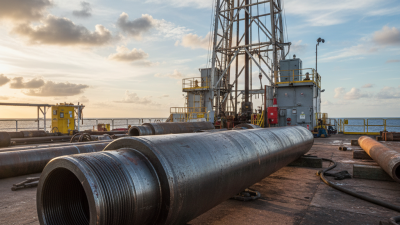
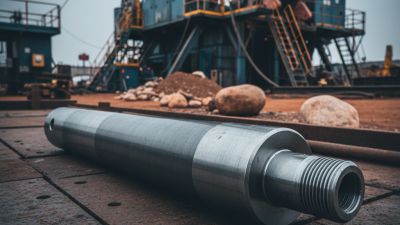
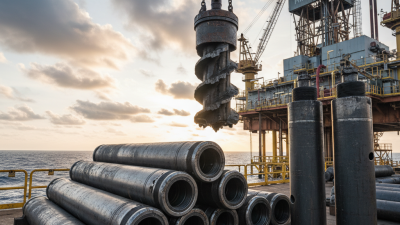
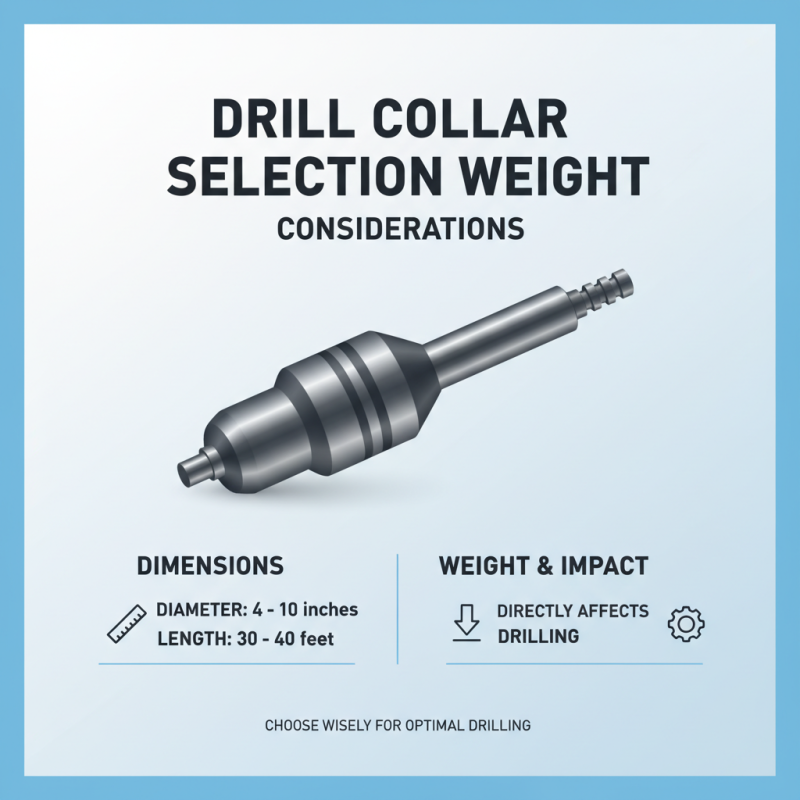
Drill collars are heavy steel pipes that provide the necessary weight to the drill bit. They also help maintain balance and support during drilling operations. When selecting drill collars, buyers must consider factors like material specifications, length, and weight. These specifications can directly impact drilling performance and operational costs.
Yet, many buyers overlook the complexities involved in choosing the right drill collar. In a market filled with options, understanding the nuances is crucial. Buyers should reflect on their specific drilling needs. Trust in reliable suppliers and expert guidance can help navigate this intricate landscape. As the industry evolves, remaining updated on the latest trends and technologies is vital for achieving drilling success.

Understanding Drill Collar Specifications and Their Importance
Understanding the specifications of drill collars is crucial for effective drilling operations.
Drill collars are heavy, thick steel pipes used to add weight to the drill bit and help maintain the wellbore's integrity.
The specifications include material type, weight per foot, and diameter.
According to the Society of Petroleum Engineers, selecting the correct drill collar can influence drilling efficiency by up to 25%.
This emphasizes the need for buyers to comprehend the specifications deeply.
The material composition affects strength and durability.
Most drill collars are made from high-grade steel or alloys that can withstand high pressure and temperature.
Engineers recommend matching the drill collar to the well conditions.
For instance, drilling in soft formations might require lighter collars to prevent sticking. Conversely, harder formations often need heavier collars.
Furthermore, understanding the requirements for rotary and directional drilling is essential for making informed decisions. Buyers should be aware of the trade-offs in weight and flexibility.
Buyers often overlook the impact of collar design on overall drilling performance.
Some designs may be more susceptible to fatigue or failure.
In a recent industry report, around 15% of drilling failures were linked to inadequate understanding of drill collar specifications.
Buyers should reflect on the long-term implications of their choices.
Investing time in research and seeking expert advice can reveal critical insights that enhance drilling outcomes.
Key Factors to Consider When Selecting Drill Collars
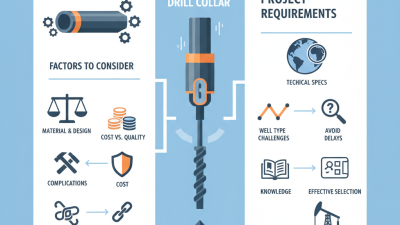
When selecting drill collars, understanding key specifications is crucial. Pay attention to the material. Common options include steel and carbon composites. Each material has unique strengths and weaknesses. Steel offers durability but can be heavy. Composite materials are lighter but might not withstand high pressures.
Consider the size and weight of drill collars. This directly impacts drilling efficiency. Larger collars can achieve better weight distribution. However, heavier collars might slow the drilling process. It’s essential to balance weight and performance based on your specific drilling conditions.
Tips: Always test different configurations to see what works best. Consult with experts if needed. They can provide insights that might save time and costs. Also, check the certifications of the collars. This ensures they meet industry standards, enhancing reliability. Select collars that fit your exact drilling needs to avoid future challenges. Be mindful that overcrowding with size may hinder performance. Each drilling operation is unique, so customization is key.
Ultimate Guide to Drill Collar Specifications and Tips for Buyers
| Specification |
Description |
Key Considerations |
| Material |
Typically made from steel or alloy for strength and durability. |
Ensure material grade matches the drilling environment. |
| Weight |
Determined by the length and diameter; heavier collars provide more pressure at the bit. |
Consider the balance needed between weight and drill performance. |
| Length |
Varies from standard lengths, often tailored to the specific drilling project. |
Match the length to the depth of the well and geological conditions. |
| Diameter |
Common diameters include 4”, 6”, and 8”. |
Ensure compatibility with drill pipe and bit specifications. |
| Connection Type |
Includes various thread types like API, Sucker Rod, and more. |
Choose a connection type based on existing equipment and ease of assembly. |
| Coating |
For corrosion resistance, often painted or treated with protective materials. |
Evaluate environmental factors that may require specific coatings. |
Material Types and Their Impact on Performance
When it comes to drilling operations, the material of the drill collars plays a crucial role in performance. Common materials include carbon steel, stainless steel, and non-magnetic alloys. Each has its own advantages and disadvantages. For instance, carbon steel offers high strength and durability. However, it can be susceptible to corrosion, especially in harsh environments. Conversely, stainless steel is resistant to corrosion but may not withstand the same stress levels as carbon steel.
A recent industry report indicates that non-magnetic alloys are gaining popularity. These materials minimize magnetic interference, making them ideal for directional drilling. They can improve accuracy and reduce the risk of sidetracking. Yet, non-magnetic alloys are often more expensive and require careful handling during installations. Buyers must weigh these factors when selecting the right drill collar for their needs.
Tips for buyers: Always assess the working environment before choosing a material. If corrosion is a concern, consider stainless steel or protective coatings. Additionally, understand the load and stress your equipment will face. This is pivotal to ensure optimal performance. When unsure, consulting with an industry expert can provide clarity. Investing in the right material can enhance drilling efficiency and safety.
Ultimate Guide to Drill Collar Specifications
This chart showcases the weight of different drill collar materials measured in pounds per foot. Each material has a distinct impact on performance based on its weight characteristics.
Best Practices for Maintaining and Inspecting Drill Collars
Maintaining and inspecting drill collars is crucial for successful drilling operations. Regular checks can help identify wear or damage before it affects performance. Inspect each collar for cracks, corrosion, or severe pitting. This proactive approach minimizes risks and ensures safety on site. Pay special attention to threaded connections, as they are often stress points.
When managing drill collars, cleanliness matters. Remove any debris or mud that may accumulate during drilling. A simple inspection procedure can save time and money in the long run. Use a calibrated tool to measure collar dimensions and verify specifications against industry standards. Checking for straightness and runout can prevent costly mistakes.
Reflect on your inspection methods frequently. Are they thorough enough? Inconsistencies in your process may lead to oversight. Consider training your team to enhance their knowledge. A well-informed crew can spot issues that may not be apparent at first glance. Ultimately, maintaining drill collars is an ongoing process that requires attention to detail and commitment to safety.