10 Best Pipe Elevators for Efficient Lifting in Construction Projects
In the construction industry, efficiency and safety are paramount, especially when it comes to handling heavy materials such as pipes. One of the essential tools that enhance productivity on job sites is the Pipe Elevator. These specialized lifting devices are designed to simplify the process of raising and lowering pipes, making it easier for workers to maneuver them into position. The right Pipe Elevators not only reduce the physical strain on laborers but also significantly accelerate the workflow, contributing to the overall success of construction projects.
As the demand for efficient construction methods continues to grow, understanding the various types of Pipe Elevators available in the market becomes crucial for professionals in the field. Selecting the appropriate equipment can lead to improved site safety, cost-effectiveness, and enhanced operational efficiency. In this article, we will delve into the ten best Pipe Elevators that have proven to be invaluable in various construction settings, equipping contractors with the right tools to tackle their lifting challenges. Whether you are involved in small-scale renovations or large infrastructure projects, understanding the capabilities and features of these devices can lead to better project outcomes.

Overview of Pipe Elevators and Their Importance in Construction
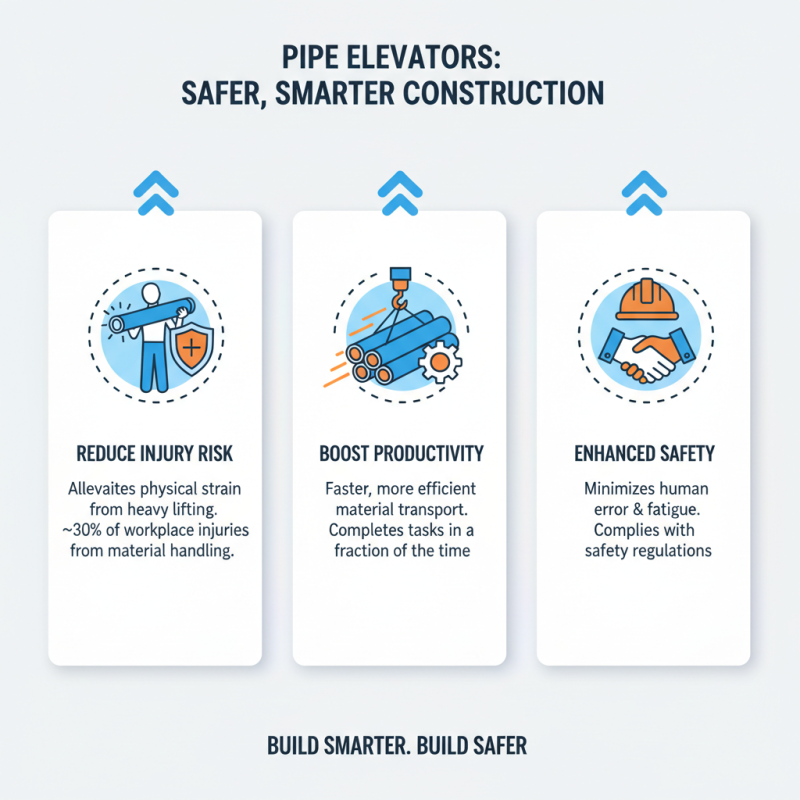
Pipe elevators are essential tools in the construction industry, enabling the safe and efficient lifting of heavy pipes and other materials. These devices are designed to alleviate the physical strain on workers while enhancing productivity on job sites. According to the Bureau of Labor Statistics, material handling is responsible for a significant number of workplace injuries, with lifting operations representing a considerable risk. By utilizing pipe elevators, construction teams can mitigate these risks, ensuring a safer working environment.
The importance of pipe elevators extends beyond safety; they also contribute to efficiency gains in construction projects. Industry reports indicate that the use of mechanical lifting devices can speed up workflow by up to 30%. This increase is primarily due to the reduction in manual handling time and the facilitation of more precise placements of heavy loads. Additionally, the integration of advanced pipe elevators equipped with features such as automated controls and adjustable height settings further optimizes operations, allowing for quick adaptations to varying project demands. As construction projects become more complex, the reliance on technology like pipe elevators is likely to grow, highlighting their integral role in modern construction practices.
Key Features to Consider When Selecting Pipe Elevators
When selecting pipe elevators for construction projects, several key features need to be considered to ensure efficiency and safety. One of the primary considerations is the weight capacity of the elevator. According to the Occupational Safety and Health Administration (OSHA), the maximum load should never exceed 75% of the elevator's rated capacity to maintain stability and prevent potential accidents. Therefore, understanding the weight of the pipes to be lifted and selecting an elevator with an appropriate weight capacity is crucial.
Another important feature is the lifting height and mechanism. Hydraulic pipe elevators are particularly favored in the industry for their ability to handle significant lifting heights with smooth operation. A report from the American National Standards Institute (ANSI) indicates that hydraulic systems can provide up to 70% more lifting power compared to traditional manual systems, making them ideal for high-rise constructions. Additionally, features such as ease of maneuverability and quick setup can significantly enhance productivity on job sites, reducing downtime and increasing safety.
Durability and weather resistance are also essential factors. Construction projects often expose equipment to harsh conditions, and selecting pipe elevators made from robust materials can prevent wear and tear, ensuring longevity. A study from the Construction Industry Institute (CII) revealed that equipment failure can lead to project delays of approximately 25%, underscoring the importance of investing in high-quality pipe elevators that can withstand challenging environments. By considering these features, project managers can make informed decisions that enhance overall efficiency in their construction operations.
Top 10 Pipe Elevators: A Comparative Analysis of Load Capacities
When it comes to lifting pipes in construction projects, choosing the right pipe elevator can significantly impact operational efficiency. A comparative analysis of load capacities reveals that the best pipe elevators are designed to handle a wide range of weights, accommodating both small and large diameter pipes. This adaptability ensures that construction teams can utilize the same equipment for different tasks, streamlining the workflow and minimizing downtime. High load capacities, typically ranging from a few hundred pounds to several tons, can enhance productivity by reducing the need for multiple pieces of equipment for different loads.
Additionally, construction projects often demand equipment that not only meets load requirements but also offers stability and safety during operation. A thorough evaluation of pipe elevators should include features such as adjustable height settings and secure gripping mechanisms that ensure pipes are lifted safely and precisely. The ability to quickly adjust to various loads without compromising performance is crucial for maintaining efficiency on job sites. In summary, analyzing the load capacities of pipe elevators provides essential insights into their applicability for various construction tasks, thus helping teams to make informed decisions for their lifting needs.
10 Best Pipe Elevators for Efficient Lifting in Construction Projects
This chart displays the load capacities of various pipe elevators used in construction projects, highlighting their efficiency in lifting operations.
Safety Standards and Regulations for Pipe Elevator Usage
When it comes to using pipe elevators in construction projects, adhering to safety standards and regulations is paramount. These guidelines are established to protect workers during the lifting and transporting of heavy materials.
Safety measures include regular inspections of equipment, ensuring that all operators are properly trained, and confirming that all safety features, such as emergency stops and load limiters, are functioning correctly. Compliance with industry standards helps minimize the risk of accidents and injuries on the job site.
Tips for maintaining safety while using pipe elevators include conducting daily checklists before operation. This should cover the inspection of slings, hooks, and other lifting accessories for wear and damage. Additionally, operators should always remain aware of their surroundings and communicate clearly with their team. Using spotters can also enhance safety when operating in tight spaces or busy environments.
It's essential for construction sites to enforce proper usage protocols. This involves setting up designated areas for the operation of pipe elevators to reduce the risk of unauthorized personnel entering these zones. Providing regular training sessions can help reinforce safe practices and ensure that all workers are aware of the latest safety regulations.
By prioritizing safety, construction projects can operate more efficiently and with greater peace of mind.
Innovations in Pipe Elevator Technology for Enhanced Efficiency
Recent advancements in pipe elevator technology have significantly improved the efficiency and safety of lifting operations in construction projects. According to a report by the Construction Equipment Industry Association, modern pipe elevators feature enhanced load capacities and are designed to facilitate smoother lifting motions. Innovations such as automated controls and real-time monitoring systems allow operators to perform tasks with greater precision, reducing the risk of accidents and improving overall productivity. In fact, studies indicate that the use of advanced pipe elevators can cut lifting time by up to 30%, thereby expediting project timelines and optimizing resource allocation.
Furthermore, the integration of lightweight materials and ergonomic designs in the latest pipe elevator models has not only improved maneuverability but also minimized physical strain on workers. A survey conducted by the American Society of Civil Engineers showed that 70% of construction professionals believe that investing in modern lifting equipment positively impacts worker safety and efficiency. As the industry continues to evolve, the implementation of smart technology, such as IoT capabilities, is expected to transform pipe handling practices, allowing for data-driven decision-making and predictive maintenance, ultimately enhancing operational efficiency across construction sites.